Choosing the right flooring sets the tone for your entire home. Yet, understanding the true flooring installation cost can be confusing, especially when prices vary widely by material, labor, and project size. Whether you’re renovating an old home or finishing a new build, the cost of flooring depends on what you choose—hardwood, laminate, vinyl, tile, or carpet—and whether you handle installation yourself or hire professionals.
This detailed guide by Sunset Hardwood Floors & Remodeling breaks down everything you need to know about 2025 flooring costs, DIY vs. professional pricing, and how to make smart budget decisions without compromising on quality or aesthetics.
Why Flooring Installation Costs Are So Confusing
Flooring installation prices in Jacksonville, FL, often look straightforward until you realize the hidden factors behind them. The sticker price of the material is only part of the equation. Labor, subfloor preparation, underlayment, and even disposal of old flooring can significantly affect your final bill.
For instance, hardwood may cost more per square foot upfront but lasts for decades, while cheaper options like vinyl or laminate might require replacement sooner. Similarly, DIY flooring installation can seem like a cost-saving move, but it can backfire if mistakes lead to uneven seams or moisture damage.
Understanding what drives flooring installation costs helps you plan better, avoid surprises, and get the most value out of your investment.
Flooring Installation Cost by Type (2025 Overview)
| Flooring Type | DIY Cost (per sq. ft.) | Pro Installation Cost (per sq. ft.) | Durability | Difficulty |
| Hardwood | $5–$9 | $8–$14 | High | Hard |
| Laminate | $1.5–$3 | $4–$6 | Moderate | Easy |
| Vinyl (LVP/LVT) | $1–$2 | $3–$5 | Moderate | Easy |
| Tile (Ceramic/Porcelain) | $3–$6 | $8–$12 | Very High | Hard |
| Carpet | $2–$4 | $5–$8 | Moderate | Medium |
Hardwood Flooring
Average Cost (Installed): $8–$14 per sq. ft.
Hardwood flooring remains the gold standard for home value and beauty. It’s timeless, durable, and can be refinished multiple times to look brand new. However, it’s also among the most labor-intensive to install.
Precise cutting, alignment, and sealing make hardwood a skill-heavy job. Subfloor leveling and acclimation time add further complexity. While it’s technically possible for skilled DIYers, most homeowners prefer hiring professionals like Sunset Hardwood Floors & Remodeling for a flawless, long-lasting finish.
Best for: Living rooms, dining areas, and spaces where aesthetics matter most.
Pros: Long lifespan, high resale value, classic appeal.
Cons: Expensive upfront, prone to moisture damage without proper sealing.
Laminate Flooring
Average Cost (Installed): $4–$6 per sq. ft.
Laminate offers the appearance of hardwood at a fraction of the cost. It’s designed for easy flooring installation—most modern systems snap together without glue or nails, making it ideal for DIY enthusiasts.
Laminate’s protective top layer resists scratches and stains, though it’s not fully waterproof. It’s a practical choice for high-traffic areas or rental properties where cost efficiency and easy maintenance matter.
Best for: Bedrooms, hallways, or secondary living spaces.
Pros: Affordable, DIY-friendly, scratch-resistant.
Cons: Can’t be refinished, less durable than solid wood.
Vinyl Flooring (LVP & LVT)
Average Cost (Installed): $3–$5 per sq. ft.
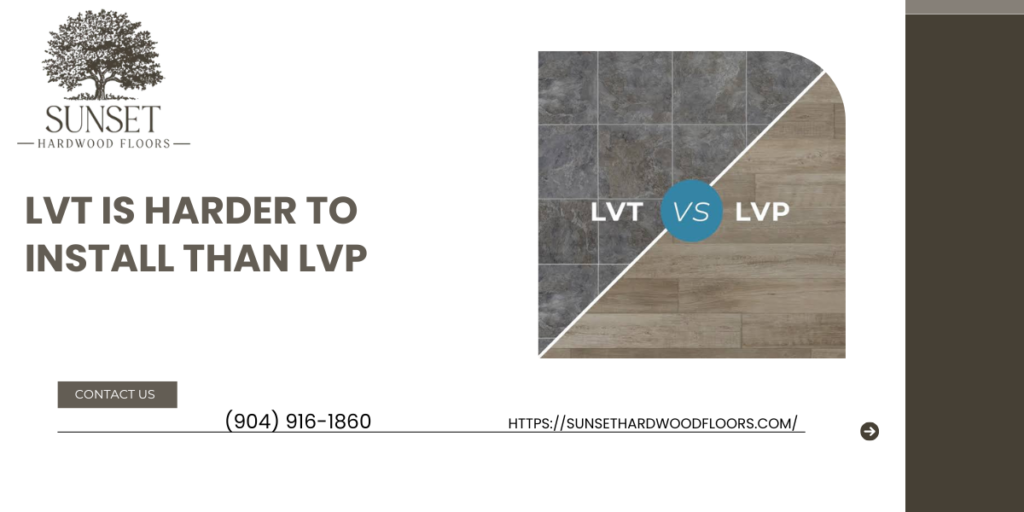
Vinyl flooring has evolved dramatically, especially with luxury vinyl planks (LVP) and tiles (LVT) that mimic wood or stone textures. It’s soft underfoot, waterproof, and easy to maintain—ideal for homes with kids and pets.
Vinyl’s low flooring installation cost stems from minimal prep work. Some products are peel-and-stick, while others click together over an underlayment. For large spaces or commercial installations, professional help ensures uniform seams and tight edges.
Best for: Kitchens, bathrooms, basements, laundry rooms.
Pros: Water-resistant, budget-friendly, easy to clean.
Cons: Can fade under sunlight, may dent under heavy furniture.
Tile Flooring
Average Cost (Installed): $8–$12 per sq. ft.
Tile is unmatched in durability and moisture resistance, making it perfect for bathrooms, entryways, and kitchens. Ceramic and porcelain tiles are most common, though natural stone options like marble, granite, and slate add luxury at a higher price.
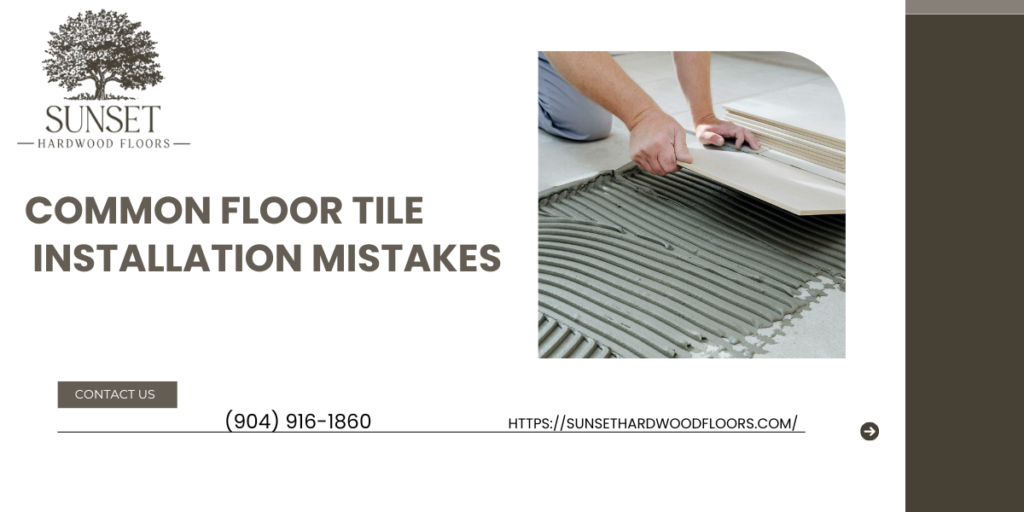
Tile installation demands precision—each tile must be properly spaced, leveled, and sealed. The grout also needs maintenance to prevent staining. While DIY tile flooring installation is possible, it’s time-consuming and physically demanding. Hiring professionals ensures even spacing, correct adhesive use, and perfect alignment.
Best for: Wet areas, kitchens, entryways, and high-traffic spaces.
Pros: Extremely durable, heat-resistant, elegant finishes.
Cons: Hard to install, grout maintenance required, colder underfoot.
Carpet Flooring
Average Cost (Installed): $5–$8 per sq. ft.
Carpet remains the go-to choice for comfort and warmth, especially in bedrooms and living rooms. It’s cost-effective and comes in various fibers and styles. Installation, however, requires precise stretching and trimming to prevent wrinkles and bulges.
DIY carpet flooring installation is doable but challenging without the right tools. Professional installers ensure tight fits around corners and edges for a polished look.
Best for: Bedrooms, family rooms, basements.
Pros: Cozy, sound-absorbing, wide color options.
Cons: Stains easily, not ideal for allergy sufferers, and shorter lifespan.
DIY vs. Professional Flooring Installation
DIY Installation
DIY flooring installation can save 30–50% on labor costs, especially with laminate or vinyl floors. However, you’ll need proper tools, time, and patience. Mistakes like uneven seams, poor leveling, or inadequate underlayment can lead to costly fixes later.
Best for: Simple layouts, small spaces, and budget projects.
Avoid DIY for: Hardwood, tile, or intricate patterned floors.
Professional Installation
Professional flooring installation guarantees precision, durability, and warranty protection. Experts from Sunset Hardwood Floors & Remodeling handle everything—from measuring and prepping subfloors to trimming edges and sealing surfaces.
Pros also ensure compliance with manufacturer warranties, which often require certified installation.
Benefits of hiring pros:
- Perfect alignment and finishing
- Faster turnaround
- Warranty-safe workmanship
- Cleanup and disposal included
Make the Most of Your Flooring Budget
Even with rising material prices, you can keep your flooring project affordable with smart planning.
- Mix and match materials. Use premium hardwood in main living areas and budget-friendly vinyl or laminate in secondary rooms.
- Prepare the space yourself. Move furniture and remove old flooring before professionals arrive to save labor time.
- Plan timelessly. Neutral tones and classic patterns won’t go out of style, reducing the need for frequent renovations.
- Request multiple quotes. Compare local installer pricing to ensure fair costs for labor and materials.
- Invest in quality underlayment. It improves insulation, noise reduction, and lifespan of any flooring type.
Sustainability Note
In 2025, many homeowners are choosing eco-friendly flooring options such as reclaimed hardwood, cork, and bamboo. These materials not only reduce environmental impact but also increase long-term property value. Sunset Hardwood Floors & Remodeling offers sustainable solutions that combine style with responsibility.
Conclusion
Your flooring defines the comfort, value, and style of your home. Understanding how each material affects flooring installation cost—and knowing when to DIY or hire professionals—lets you make confident decisions.
Hardwood and tile deliver unmatched elegance and longevity, while laminate and vinyl offer stylish affordability. For complex projects or premium finishes, trust the experts at Sunset Hardwood Floors & Remodeling to deliver precision and quality craftsmanship.
Ready to transform your home? Contact Sunset Hardwood Floors & Remodeling today for a free consultation and step confidently onto the floors you’ll love for years to come.
FAQs
1. What is the rule of 3 flooring?
Use no more than three different flooring materials throughout your home to maintain visual consistency and avoid a cluttered look.
2. What type of flooring is best and cheapest?
Vinyl plank and laminate flooring offer the best mix of affordability, durability, and style for 2025 homes.
3. Can you put a refrigerator on vinyl plank flooring?
Yes, but place a plywood sheet under the wheels or feet to prevent dents or scratches.
4. What is the most durable flooring type?
Porcelain tile, natural stone, and concrete are the most durable and scratch-resistant flooring options.
5. What flooring looks most expensive?
Solid hardwood, marble, and granite tiles offer the most luxurious and high-end appearance.