Choosing the right stone floor tile directly impacts durability, maintenance, aesthetics, and long-term home value. Natural stone flooring remains one of the most premium flooring options available, offering unmatched uniqueness, longevity, and visual depth. However, not all stone tiles perform the same. The best choice depends on traffic levels, moisture exposure, maintenance tolerance, and design goals.
This guide breaks down the 9 most popular types of stone floor tiles, explaining where each performs best, its strengths, weaknesses, and ideal use cases—so you can make a practical, long-term decision rather than a purely visual one.
Stone Floor Tiles
Natural stone floor tiles are among the most elegant and durable flooring options available, offering a unique combination of beauty, longevity, and versatility in St. Augustine, FL. From the polished sophistication of marble to the rugged charm of slate or sandstone, each type of stone brings its own character and functional benefits to a home. Selecting the right stone floor tile requires careful consideration of durability, maintenance needs, foot traffic, moisture exposure, and design preferences. By understanding the strengths, weaknesses, and ideal applications of different stones, homeowners can make informed choices that enhance both the aesthetics and value of their living spaces.
1. Marble Floor Tiles – Classic Elegance, High Maintenance
Best for: Foyers, dining rooms, low-traffic living areas
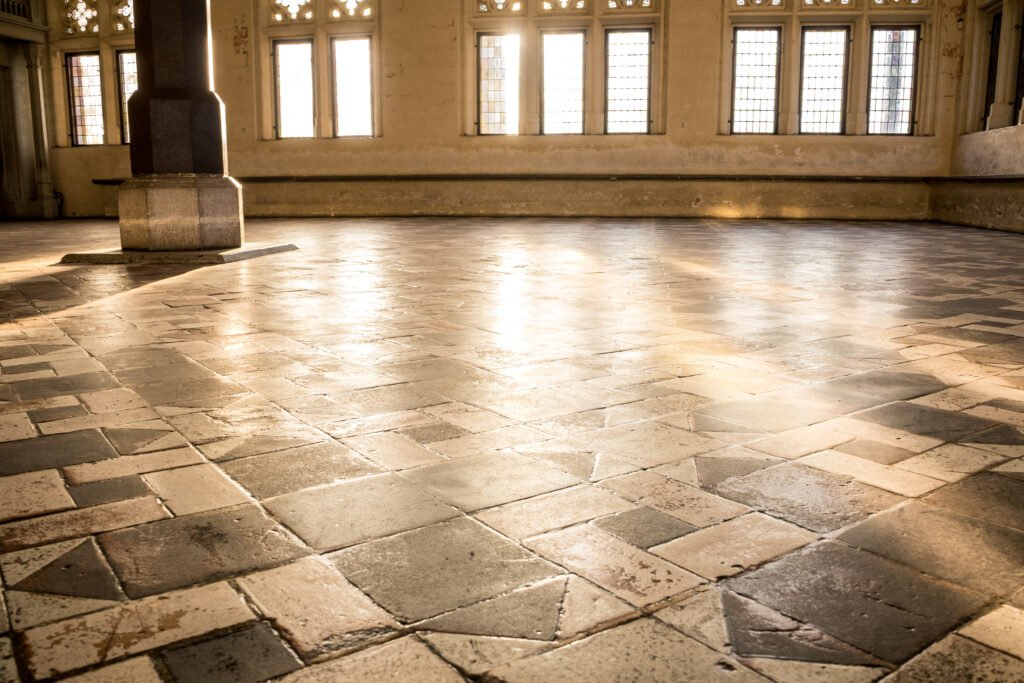
Marble is known for its luxurious veining and polished finish. Each tile is naturally unique, making marble floors visually striking and timeless. However, marble is a soft and porous stone, which means it scratches, stains, and etches easily when exposed to acids or moisture.
Key considerations:
- Requires frequent sealing
- Slippery when polished
- Best suited for formal, low-traffic areas
Marble delivers elegance—but only if you’re willing to maintain it properly.
2. Granite Floor Tiles – Extremely Durable and Low Maintenance
Best for: Kitchens, hallways, high-traffic areas
For flooring, granite is among the hardest natural stones. It resists scratches, heat, and wear, making it ideal for busy households. Compared to marble, granite requires less maintenance and offers excellent longevity.
Why granite works:
- Highly resistant to wear and impact
- Handles heavy foot traffic
- Easy to clean when sealed properly
Granite may be less dramatic than marble, but it outperforms most stones in durability.
3. Slate Floor Tiles – Slip-Resistant and Moisture-Friendly
Best for: Bathrooms, mudrooms, laundry rooms, patios
Even when wet, the naturally textured surface of slate offers outstanding traction. Its layered structure and matte finish make it ideal for moisture-prone areas where slip resistance is critical.
Advantages:
- Naturally non-slip
- Resistant to moisture
- Works indoors and outdoors
Slate does require sealing, but its functional benefits outweigh the maintenance for most homeowners.
4. Travertine Floor Tiles – Warm, Natural, and Inviting
Best for: Living rooms, sunrooms, transitional spaces
Travertine features warm neutral tones and a naturally pitted surface that creates a soft, organic look. While visually appealing, travertine is more porous than granite or slate and requires consistent sealing.
What to know:
- Comfortable underfoot
- Adds warmth without visual clutter
- Needs regular maintenance to prevent staining
Travertine balances aesthetics and comfort but isn’t ideal for high-moisture areas unless properly treated.
5. Limestone Floor Tiles – Subtle and Understated
Best for: Bedrooms, formal living spaces, low-traffic areas
Limestone offers soft color variations and a smooth finish, making it ideal for homeowners who prefer a calm, refined appearance. It’s less dramatic than marble but easier on the eyes.
Limitations:
- Softer than granite
- Prone to scratching
- Requires sealing and gentle cleaning
Limestone works best in controlled environments with light foot traffic.
6. Quartzite Floor Tiles – Marble Look with Superior Strength
Best for: High-traffic living areas, kitchens
Quartzite often resembles marble but is significantly harder and more resistant to wear. It handles foot traffic, spills, and daily use far better than marble while maintaining a high-end appearance.
Why quartzite stands out:
- Scratch-resistant
- More acid-resistant than marble
- Ideal for busy households
Quartzite is one of the best all-around stone flooring options for durability and style.
7. Onyx Floor Tiles – Dramatic but Delicate
Best for: Powder rooms, accent areas, decorative inlays
Onyx is visually striking due to its translucence and bold veining. When backlit, it creates a dramatic effect unmatched by other stones. However, onyx is extremely soft and fragile.
Important trade-offs:
- High maintenance
- Not suitable for traffic
- Best used as a design feature, not primary flooring
Onyx is a statement material, not a functional one.
8. Sandstone Floor Tiles – Rustic and Earthy
Best for: Casual living spaces, outdoor areas
Sandstone has a rough, granular texture that gives it a natural, relaxed appearance. It performs well outdoors but is porous and must be sealed to avoid moisture damage.
Strengths:
- Natural traction
- Blends well with outdoor environments
- Durable when sealed correctly
Sandstone is ideal for homeowners who value texture and natural aesthetics over polish.
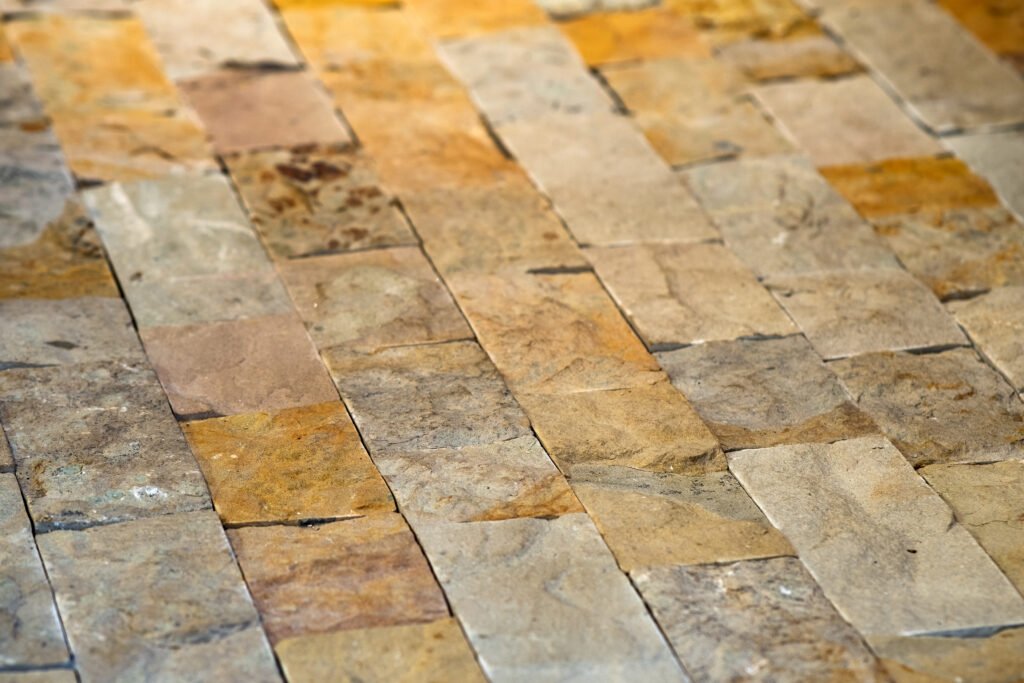
9. Flagstone Flooring – Organic and Irregular
Best for: Patios, garden rooms, rustic interiors
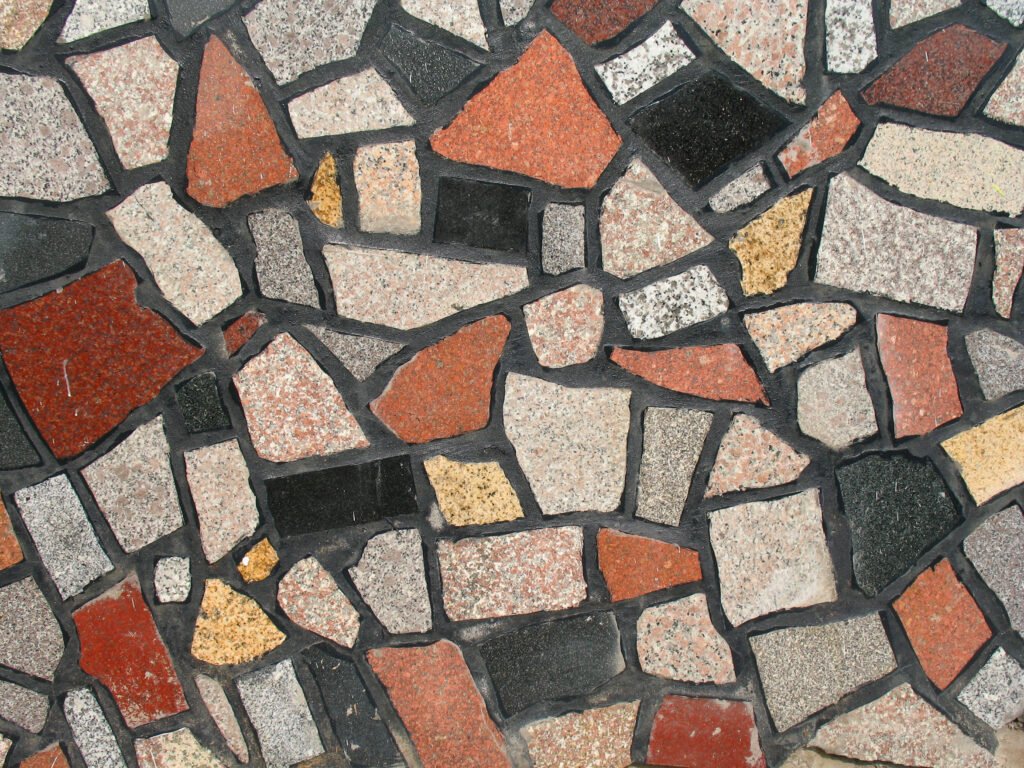
Flagstone is known for its irregular shapes and natural variation. No two floors look the same, making it ideal for informal or rustic designs.
Best uses:
- Accent flooring
- Outdoor walkways
- Casual interior spaces
Flagstone celebrates imperfection and works best where uniformity isn’t required.
Which Stone Floor Tile Is Best?
There is no single “best” stone floor tile. The best option depends on:
- Foot traffic levels
- Moisture exposure
- Maintenance commitment
- Design preference
Granite and quartzite are the most durable options. Marble and onyx excel visually but demand care. Slate and sandstone are suitable for use in moisture-prone areas.
Final Takeaway
Choosing the perfect stone floor tile is about balancing style, durability, and practicality. While marble and onyx make bold statements, quartzite and granite provide long-lasting performance for high-traffic areas. Textured stones like slate and sandstone excel in moisture-prone or casual spaces, and flagstone adds natural irregularity to patios or rustic interiors. Ultimately, no single stone fits every situation, but understanding each material’s characteristics allows homeowners to select a floor that meets their design vision, lifestyle needs, and long-term maintenance expectations—ensuring a beautiful, functional, and enduring foundation for any home.
FAQs
1. Is natural stone better than porcelain or ceramic tile?
Natural stone offers unmatched uniqueness and value, but porcelain and ceramic often outperform stone in moisture resistance and ease of maintenance.
2. How often should stone floor tiles be sealed?
Most stone floors should be sealed once a year. High-traffic or wet areas may require sealing every 6–9 months.
3. Can stone floor tiles be used outdoors?
Yes. Slate, sandstone, and flagstone are commonly used outdoors, provided they are properly sealed and slip-resistant.
4. Are stone floor tiles slippery when wet?
Polished stones like marble can be slippery. Textured stones such as slate and sandstone provide better traction.
5. Do stone floor tiles increase home value?
Yes. High-quality stone flooring often increases resale value due to durability, longevity, and premium appeal.