Hardwood repair can feel overwhelming for many homeowners. While small fixes like surface scratches are often DIY-friendly, deeper problems such as warped boards, water damage, or structural issues usually require professional expertise. Proper hardwood floor repair and maintenance not only restore its visual appeal but also extends its life.
Factors like poor installation, fluctuating humidity, heavy foot traffic, pets, and lack of routine care can reduce the shine and durability of hardwood floors. Whether you’re planning to repair, refinish, or completely remodel your flooring, Sunset Hardwood Floors & Remodeling Service offers expert solutions that bring back the craftsmanship, durability, and elegance of your home.
Make Your Floors Shine Again: A Homeowner’s Guide to Fixing Hardwood Floors
Scratches, dents, discoloration, creaking sounds, and water damage are common issues that affect hardwood floors over time. These problems don’t just impact appearance; they can lower property value and lead to long-term damage if ignored.
Refinishing and targeted repairs can breathe new life into worn-out floors, making them look modern and well-maintained again. If you’re considering DIY hardwood repair, this guide will help you understand what you can safely fix yourself and when it’s best to call a professional.
Did You Know?
According to the National Association of Realtors (NAR), refinishing hardwood floors can deliver an impressive return on investment of up to 147%, making it one of the most valuable home improvements.
Common Hardwood Floor Problems and DIY Repair Tips
Minor Scratches
Minor scratches are one of the easiest hardwood floor issues to fix. Start by cleaning the area thoroughly to remove dust and debris. For light surface scratches, use a wood touch-up marker or wax crayon that matches your floor color.
For slightly deeper scratches, lightly sand the damaged spot, apply wood filler, and smooth it with a putty knife. Once dry, apply a matching stain or sealant to blend the repair seamlessly with the surrounding area.
Dents and Small Gaps
Small dents can often be fixed using the steam method. Place a damp cloth over the dent and gently apply heat with an iron for a few seconds. The steam helps the wood fibers expand, reducing the appearance of the dent.
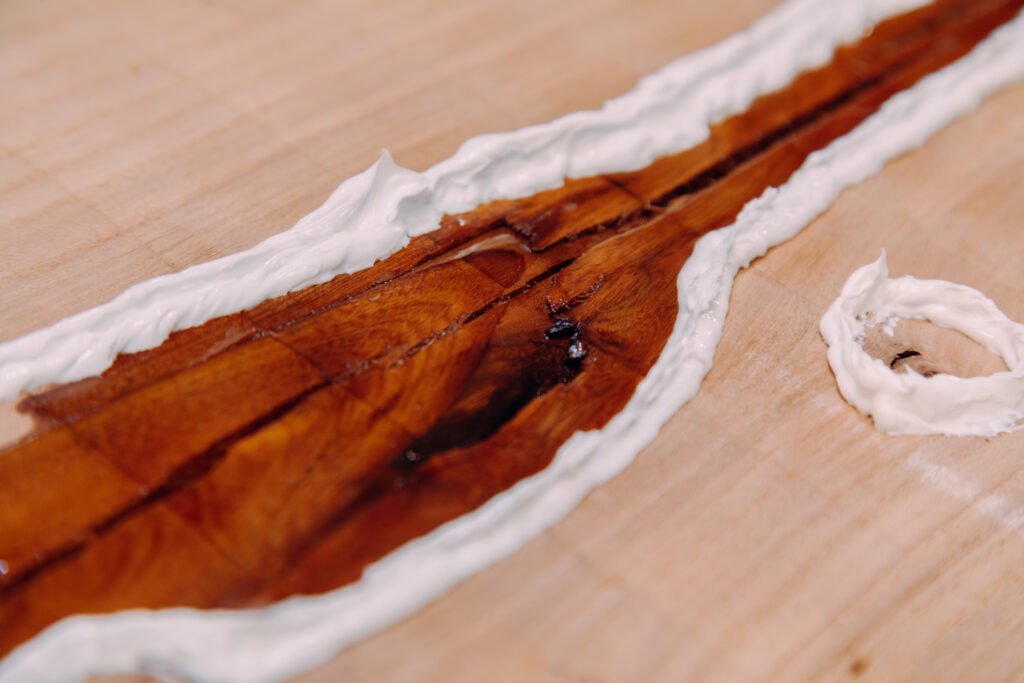
For nail holes, gaps, or deeper dents, hardwood floor patching using wood putty or filler is effective. Choose a filler that closely matches your floor’s tone, apply it carefully, allow it to dry, and finish with light sanding and staining if needed.
Stains and Discoloration
Everyday wear, spills, and pet accidents can cause stains that dull your hardwood floors. Always wipe spills immediately to prevent permanent damage. For light stains, a baking soda paste applied gently with a microfiber cloth can help lift discoloration.
If stains penetrate deep into the wood, refinishing may be required. Attempting aggressive DIY treatments on deep stains can worsen the damage, so professional assistance is often the safest option.
Fast Fact
Refinishing removes the top damaged layer of hardwood, revealing a smooth, fresh surface and restoring the floor’s natural shine.
When Should You Call a Professional?
Some hardwood floor issues go beyond simple DIY fixes. Deep gouges, widespread water damage, warped boards, or soft spots often indicate subfloor problems. In these cases, professional inspection is essential.
Professionals address warped hardwood floors by identifying moisture sources, repairing subfloor damage, and either refinishing or replacing boards when necessary. A complete hardwood floor refinishing process includes preparation, sanding, deep cleaning, optional staining, and applying multiple protective finish coats.
Allow proper drying time between coats and avoid heavy foot traffic for at least two weeks after refinishing to ensure long-lasting results.
Important Fact
If exposed nails or severe damage affect more than 30% of your hardwood floor, replacement may be more cost-effective than repair.
Conclusion
Hardwood repair requires careful evaluation and attention to detail. While minor scratches, dents, and stains can often be resolved with DIY solutions, significant damage demands professional expertise. The cost and scope of repairs depend on the severity of the damage and the condition of the subfloor.
With regular cleaning, moisture control, and proper maintenance, hardwood floors can last for decades—often becoming a lifelong and sustainable flooring choice. When done right, hardwood repair restores both beauty and value to your home.
FAQs
1. Why are hardwood floors preferred over softwood flooring?
Hardwood floors are denser, more durable, and resistant to wear compared to softwood, making them ideal for long-term residential use.
2. How long do hardwood floors typically last?
With proper maintenance and periodic refinishing, hardwood floors can last anywhere from 40 to 100 years.
3. What causes hardwood floors to creak?
Creaking often occurs due to loose boards, subfloor movement, or changes in humidity. Securing boards and maintaining stable indoor moisture levels can reduce noise.
4. Can water-damaged hardwood floors be repaired?
Minor water damage may be repairable through drying and refinishing, but severe damage usually requires board replacement and professional evaluation.
5. How often should hardwood floors be refinished?
Most hardwood floors need refinishing every 7 to 10 years, depending on foot traffic, wear, and maintenance habits.