Eco-friendly bathroom remodeling is no longer a niche trend; it’s a practical strategy for homeowners who want to reduce utility costs, improve indoor air quality, and build a more sustainable home. By combining water-efficient fixtures, energy-saving systems, and environmentally responsible materials, you can create a bathroom that performs better while minimizing long-term environmental impact.
For homeowners in competitive U.S. housing markets, sustainable upgrades also contribute to higher resale value, better energy efficiency ratings, and long-term savings. This guide breaks down proven, high-impact ideas that balance performance, design, and sustainability.
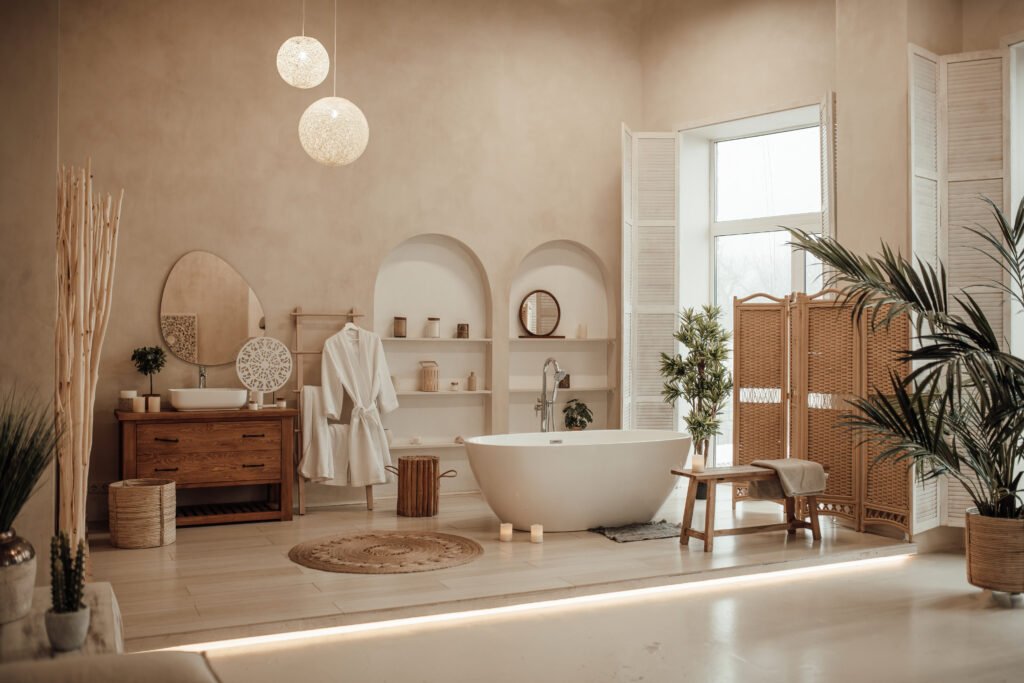
What Is Eco-Friendly Bathroom Remodeling?
Eco-friendly bathroom remodeling involves upgrading your space using:
- Water-efficient fixtures
- Energy-saving lighting and heating systems
- Low-toxicity materials
- Renewable or recycled resources
The goal is to reduce waste, conserve resources, and create a healthier indoor environment without sacrificing comfort or design.
Benefits of a Sustainable Bathroom Remodeling
1. Lower Utility Bills
- Reduce water usage by 20–60%
- Cut energy costs with efficient lighting and heating
2. Healthier Indoor Air Quality
- Low-VOC paints and materials reduce harmful emissions
- Better ventilation prevents mold and mildew
3. Increased Property Value
- Energy-efficient homes attract more buyers
- Green upgrades are a strong selling point in 2026 markets
4. Environmental Impact
- Less water waste
- Reduced carbon footprint
- Lower landfill contribution
12 Eco-Friendly Bathroom Remodeling Ideas That Work
1. Install Low-Flow Toilets
Modern low-flow toilets use 1.28 gallons per flush (GPF) compared to older models using up to 3.5 GPF.
Why it matters:
- Saves thousands of gallons per year
- Reduces water bills significantly
- Maintains strong flushing performance
2. Upgrade to Water-Saving Showerheads
High-efficiency showerheads use aeration technology to maintain pressure while reducing water usage.
Key benefits:
- Uses 1.5–2.0 GPM vs. 2.5+ GPM standard
- Easy, low-cost upgrade
- Immediate water savings
3. Install LED Bathroom Lighting
LED lighting uses up to 80% less energy than traditional bulbs and lasts significantly longer.
Best practices:
- Use warm LEDs for vanity areas
- Install dimmers for energy control
- Add motion sensors for efficiency
4. Switch to a Tankless Water Heater
Tankless systems heat water on demand instead of storing it.
Advantages:
- Lower standby energy loss
- Unlimited hot water supply
- Longer lifespan than traditional tanks
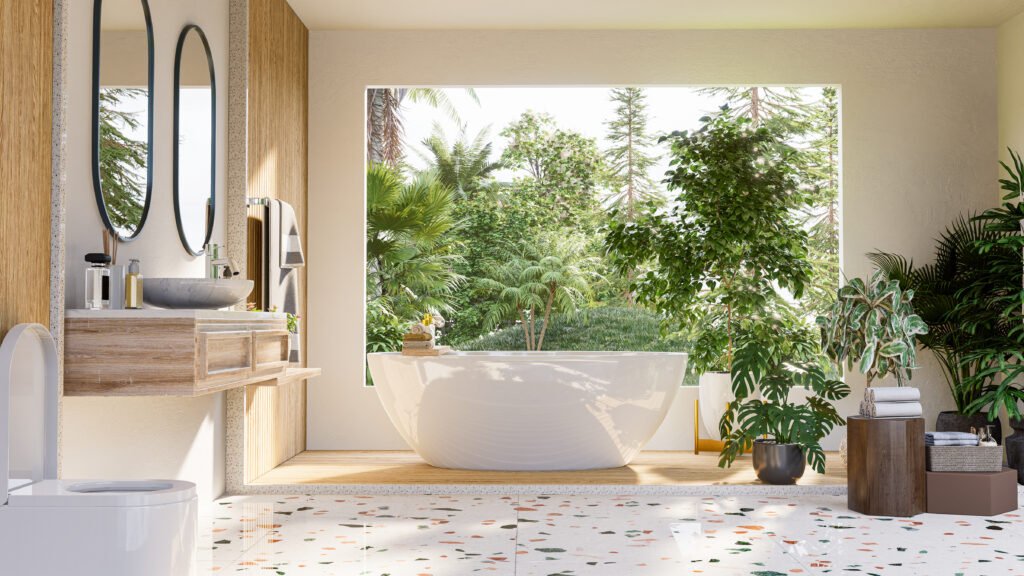
5. Use Sustainable Tiles
Eco-friendly tiles are made from:
- Recycled glass
- Reclaimed ceramic
- Natural stone
Why choose them:
- Reduce landfill waste
- Durable and long-lasting
- Available in modern designs
6. Choose Low-VOC Paints and Finishes
Low-VOC (volatile organic compounds) products emit fewer harmful chemicals.
Impact:
- Improves indoor air quality
- Reduces toxic exposure
- Safer for families and installers
7. Install Water-Efficient Faucets
Modern faucets with aerators reduce flow without affecting pressure.
Performance:
- Uses 1.5 GPM or less
- Cuts daily water usage
- Easy retrofit upgrade
8. Maximize Natural Lighting
Natural light reduces reliance on artificial lighting during the day.
Options:
- Skylights
- Frosted windows
- Solar tubes
Benefits:
- Lower energy consumption
- Enhanced visual appeal
- Better mood and comfort
9. Choose Sustainable Bathroom Cabinets
Eco-conscious cabinetry materials include:
- Bamboo (rapidly renewable)
- Reclaimed wood
- FSC-certified wood
Why it works:
- Reduces deforestation impact
- Durable and stylish
- Aligns with green building standards
10. Improve Ventilation Efficiency
Proper ventilation prevents moisture buildup and mold growth.
Solutions:
- Energy-efficient exhaust fans
- Humidity sensors
- Natural airflow design
11. Install Heated Flooring (Energy-Efficient Systems)
Radiant floor heating systems are more energy-efficient than traditional forced air systems and work especially well with heated tile flooring in bathroom remodels.
Benefits:
- Even heat distribution
- Lower energy consumption
- Increased comfort
12. Reuse and Repurpose Materials
Instead of replacing everything, reuse where possible.
Examples:
- Refinish existing cabinets
- Repurpose mirrors
- Restore fixtures
Result:
- Lower renovation costs
- Reduced material waste
Cost of Eco-Friendly Bathroom Remodeling (2026)
| Upgrade Type | Estimated Cost (USD) |
| Low-flow fixtures | $100 – $500 |
| LED lighting | $50 – $300 |
| Tankless water heater | $1,500 – $3,500 |
| Sustainable tiles | $5 – $15 per sq ft |
| Full eco remodel | $8,000 – $25,000+ |
Insight: While upfront costs can be higher, long-term savings on utilities often offset the investment.
Are Eco-Friendly Bathroom Upgrades Worth It?
Yes, especially in competitive markets.
Typical returns:
- 60–70% remodel ROI
- Lower monthly utility costs
- Higher resale appeal
Energy-efficient homes are increasingly prioritized by buyers, making sustainable upgrades a strategic investment, not just a trend.
Common Mistakes to Avoid
- Choosing “eco” products without certifications
- Ignoring ventilation (leads to mold issues)
- Overlooking water efficiency ratings
- Using cheap materials that reduce lifespan
Pro Tips for Better Results
- Look for WaterSense and Energy Star certifications
- Prioritize upgrades with the fastest ROI (fixtures, lighting)
- Combine aesthetics with functionality
- Plan for long-term durability
Conclusion
Eco-friendly bathroom remodeling offers a balanced approach to modern living—combining efficiency, sustainability, and design. By integrating water-saving fixtures, energy-efficient systems, and environmentally responsible materials, homeowners can significantly reduce costs while creating a healthier, future-ready space.
Whether you’re planning a full renovation or gradual upgrades, sustainable choices deliver measurable benefits in both performance and property value.
FAQs
1. What is the most cost-effective eco-friendly bathroom upgrade?
Low-flow fixtures and LED lighting are the most affordable upgrades with immediate savings on water and electricity bills.
2. How much water can eco-friendly bathroom fixtures save?
Water-efficient toilets, faucets, and showerheads can reduce bathroom water usage by up to 50%, depending on usage patterns.
3. Are sustainable bathroom materials durable?
Yes. Materials like bamboo, recycled glass, and natural stone are highly durable and often last longer than conventional options.
4. Do eco-friendly bathroom remodels increase home value?
Yes. Energy-efficient and sustainable upgrades are attractive to buyers and can increase resale value, especially in competitive markets.
5. How can I make my bathroom more eco-friendly without a full remodel?
Start with small upgrades like installing aerators, switching to LED lighting, using low-VOC paints, and improving ventilation for immediate impact.