The material a person selects for their floors has an impact on how the room will look, how long the flooring will last, and the value of the home. Engineered wood flooring is a favored alternative to solid hardwood flooring and also has better stability when moisture and temperature fluctuations are a concern. However, each type of flooring has its pros and cons. To make an informed choice before embarking on a wood floor installation project, it is important to know what the drawbacks are.
This Is A Class For Understanding Engineered Wood Construction.
It is helpful to know how this material is constructed before examining any negative aspects. In contrast to solid hardwood planks, cut from a single piece of wood, engineered wood consists of several layers of wood. A real hardwood veneer is affixed over it, with several layers of plywood, or high-density fiberboard, beneath it that are laid in alternating directions. The cross-ply construction can help prevent expansion and contraction and is a common option for professional hardwood floor installation in below-grade areas such as basements.
The Primary Disadvantages Of Engineered Wood
The engineered planks are less vulnerable to moisture than solid wood but have their own set of limitations in terms of durability, costs, and availability of repairs.
The Lifespan Of Limited Sanding And Refinishing Can Be Limited.
In this Guide to Hardwood Floor, it’s important to understand that solid hardwood can be sanded and refinished many times over the years, making it ideal for repairing scratches and dents. Engineered wood, however, has a thinner veneer layer (typically 2–4 mm), which limits refinishing to one or two times, as heavy sanding can expose the plywood beneath.
2. Increased Initial Expenses for Quality Materials.
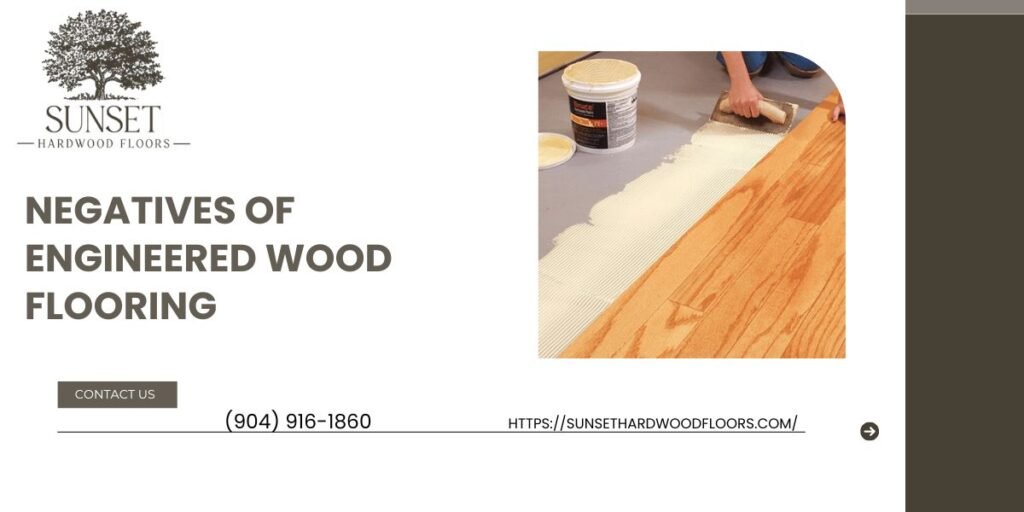
Although engineered planks can be relatively inexpensive, the quality engineered planks with thick hardwood wear layers are generally as expensive as traditional solid wood. In addition, the amount of labor to prepare the subfloor required for proper engineered wood flooring installation can drive up total labor costs.
3. Moisture Damage Susceptibility.
The surface veneer is susceptible to warping, although the plywood core is more resistant. Permanent staining, delaminating, or bubbling of the top layer can occur if the water used is standing water or pet urine or if there is a large spill or leak.
4. Volatile Organic Compounds (Vocs) Present
There are VOC emissions from engineered planks, which use adhesives and resins to join the cross layers together. For homeowners with concerns about indoor air quality, it is important to research and select FloorScore Certified products that exhibit low emissions.
Solid Wood vs. Engineered Wood
|
Features |
Solid wood | Engineered wood |
| Moldability | Good | Good |
| Refinishing | 4 to 6 times | 1 to 2 times |
| Swell in humidity | Low | Moderate |
| Installation Locations | Above grade only | Above, on, or below grade |
| Lifespan | Up to 100+ years |
20 to 40 years |
Frequently Asked Questions
Is It Possible To Put Engineered Wood Flooring In A Basement?
Yes. The cross-ply construction is designed to resist the expansion caused by moisture, so it’s one of the few wood floor types that can be used in below-grade basements if appropriate vapor barriers are used.
What Is The Life Span Of Engineered Wood Flooring?
A high-quality engineered floor will endure for 20-40 years with proper care and moderate use.
Is Engineered Wood Better For Pets And Kids?
The deep scratch resistance of pet claws is a drawback, while the textured finishes and multi-layer stability hide minor scratches. Area rugs and protective pads help minimize daily wear.
May I Use Engineered Wood With Radiant Heating?
Yes. When it comes to temperature changes from radiant subfloors, engineered planks are much more stable than solid hardwood, as long as you stick to the manufacturer’s instructions.
What Is The Best Way To Clean And Maintain Engineered Wood Floors?
Sweep or vacuum frequently with a soft-bristle attachment. Wipe up spills as soon as they happen with a wet (not soggy) microfiber mop and wood cleaner recommended by the manufacturer. Don’t use harsh chemical solvents or steam mops.